Watch & Listen to Podcast Episodes
Season 2 - LAUNCHING Soon!
Season 1 is now LIVE!
Watch our Trailer:
Episodes available on:
Gentle Boundary Statement
Grown Between Worlds is a storytelling and reflective space — NOT a debate forum, a hot-take platform, or a place for sensationalized trauma.
While many guests work in mental health and community settings, this podcast does NOT provide therapy, clinical advice, diagnosis or crisis support.
If you are experiencing acute distress or are in crisis, please contact local emergency or mental health services in your region.
We are committed to creating a space grounded in respect, anti-oppression and compassionate dialogue.
Hate speech, harassment or dehumanizing rhetoric will not be tolerated in community interactions!
FAQs
Who is this podcast for?
Grown Between Worlds is for adult children of immigrants seeking validation, language, and connection.
It’s also for non-immigrant partners who want to better understand their loved one’s lived experience, and for therapists, educators, and community workers supporting immigrant communities.
We especially center women, queer and trans, neurodivergent, and disabled people navigating complex cultural and relational dynamics
Do I need to identify as an immigrant to listen?
NO. While we centre adult children of immigrants, our themes — identity, belonging, love across difference, family expectations, and redefining success — resonate widely.
If you’ve ever felt “in between,” you may find yourself reflected here.
Why does this podcast feel important right now?
In a time of rising xenophobia and hostility toward marginalized communities, we believe stories matter.
This podcast creates space for nuance, visibility and shared wisdom — honouring the resilience and depth of people living between cultures.
Is this a mental health podcast?
Not in a clinical sense...
While many guests work in mental health and community settings, this is a storytelling space — not therapy or clinical advice.
Listening does NOT replace professional support.
What topics do you explore?
We explore identity, code-switching, intergenerational dynamics, intercultural partnerships, queerness, neurodivergence, redefining success, and the ways migration shapes love, career and wellbeing.
Each season includes an introduction, guest conversations, and closing reflections.
Can I suggest a topic or apply to be a guest?
YES. You can share anonymous feedback, suggest themes, or apply to be a guest through our Contact page.
We review submissions seasonally.
Season 2 Episodes
Released on Thursdays
between Dec. 10, 2026 and Feb. 4, 2027
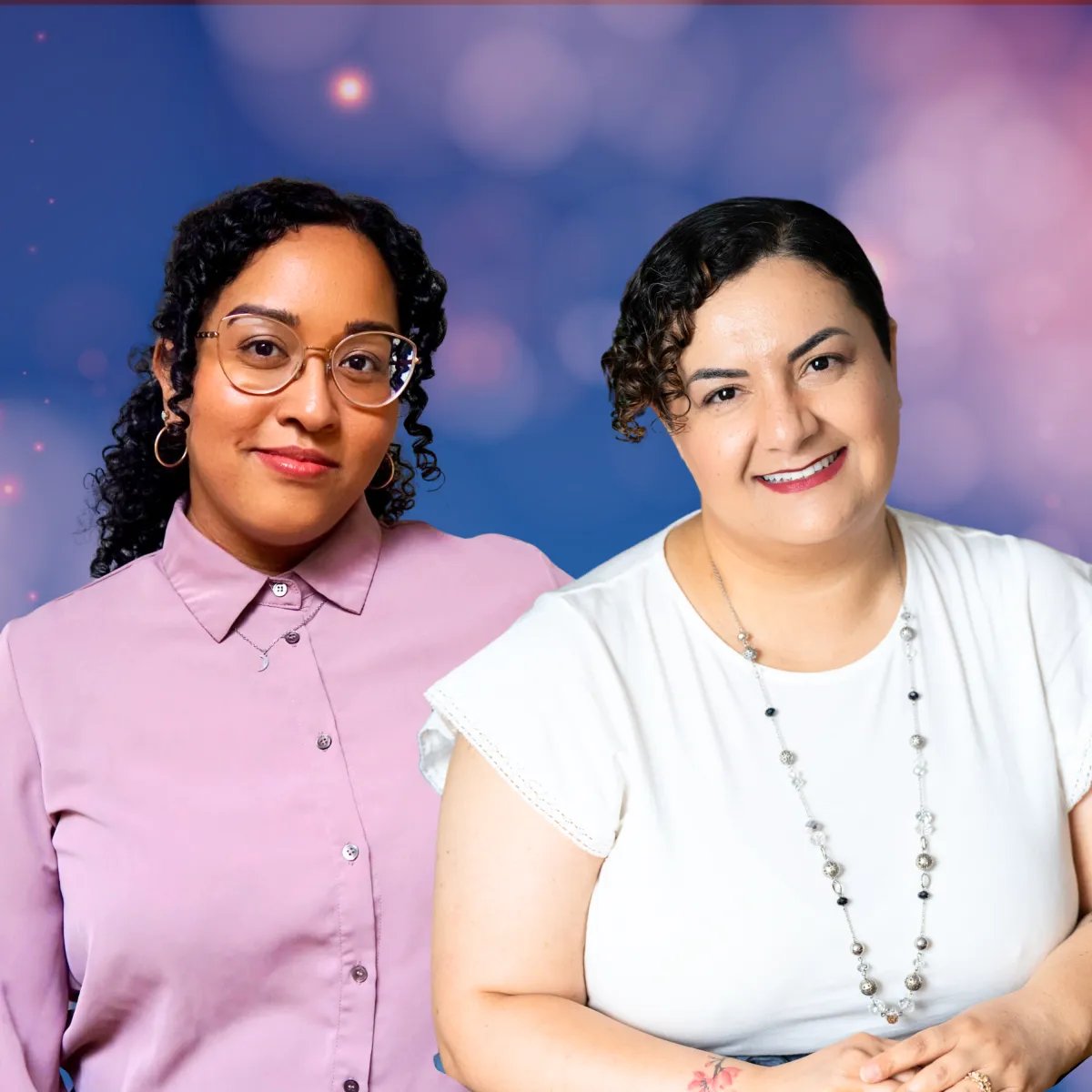
S2 E1:
"Two Things Can Be True at Once"
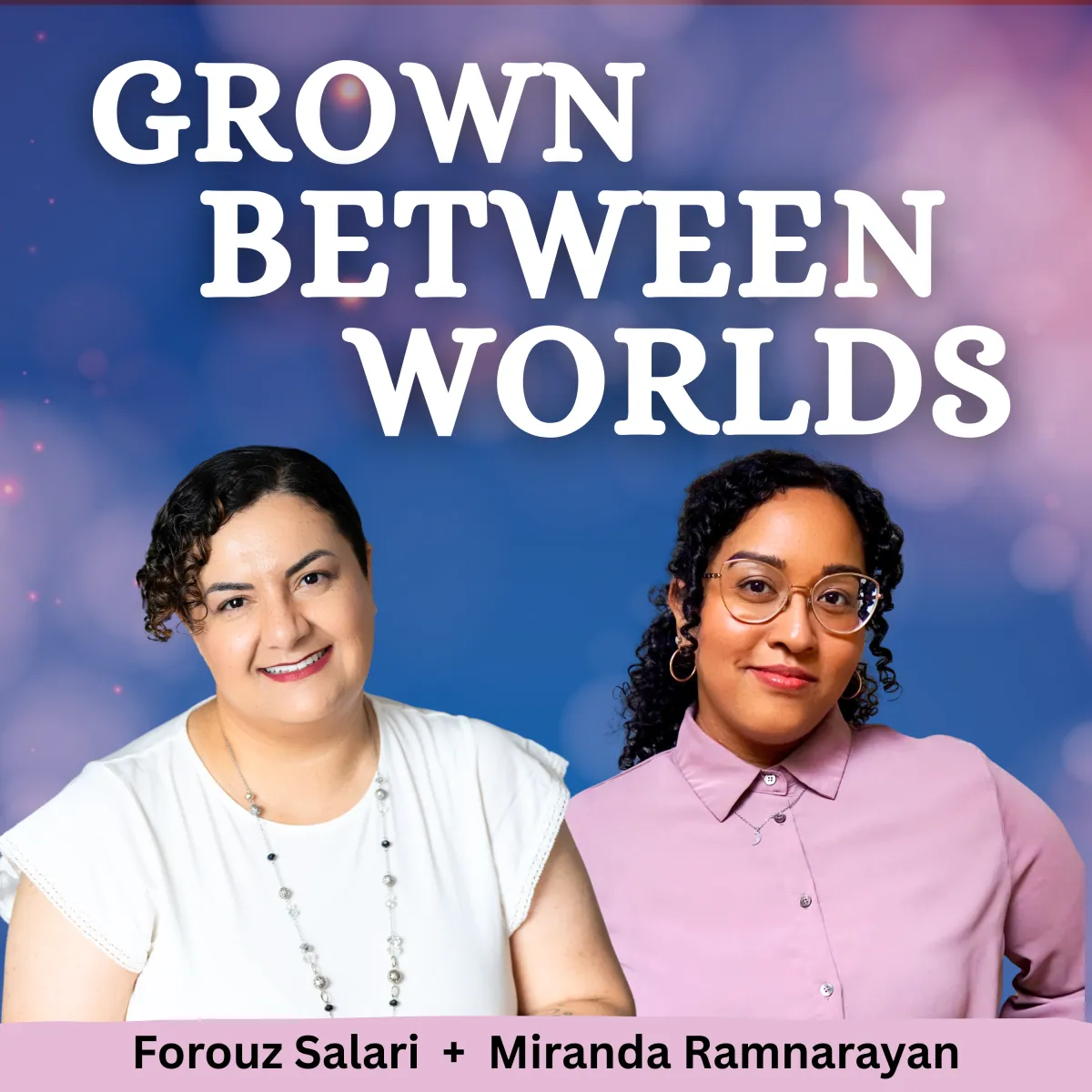
In this opening episode, Forouz Salari (she/her) and Miranda Ramnarayan (she/her) reflect on how migration can reshape identity, belonging, and our understanding of home. Drawing from their own experiences, they explore the difference between immigrating by choice and being brought to a new country as a child, the ways distance can deepen connections to culture, and how multiple places can feel like home at once. They also look at identity and belonging through the lens of the World Cup, exploring how migration, diaspora, and national representation complicate the idea of where someone is really from. It’s a conversation about carrying culture with us, making room for complicated identities, and recognizing that more than one thing can be true at once.
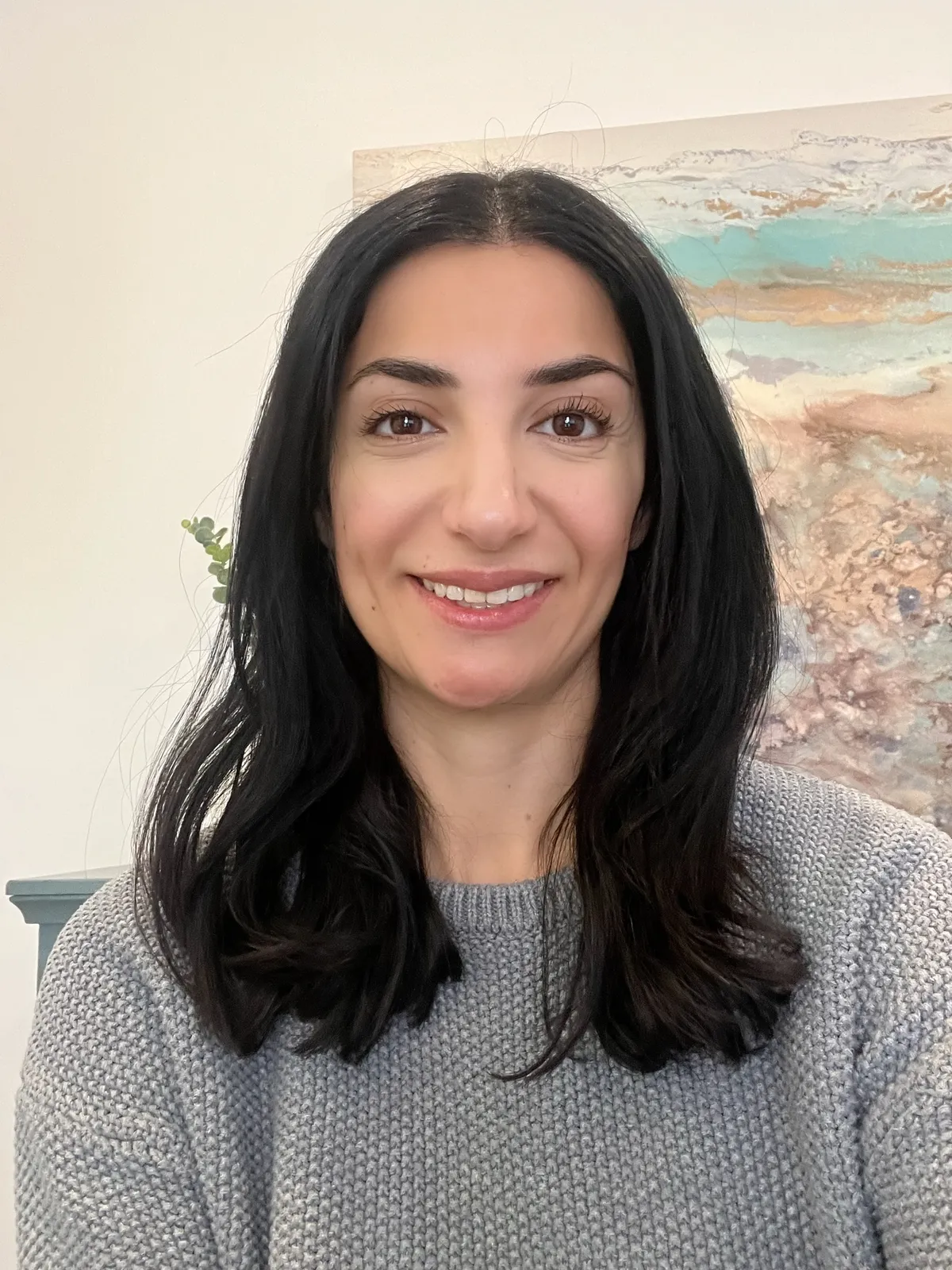
S2 E2:
"What We Understand Later"
In this conversation, Iraqi Canadian social worker Renda Knight (she/her) reflects on immigration, cultural disconnection, and how her childhood experiences shaped both her personal and professional life. She and Forouz explore cultural sensitivity in therapy, shared identities, intercultural relationships, parenting, resilience, and the ways upbringing can shape how we understand safety, family and belonging. They also discuss the importance of curiosity, open communication, and understanding the complexity of immigrant experiences, especially in a world where global events and cultural narratives can have a very personal impact.
S2 E3:
"The Stories We Carry Forward"
In this conversation, psychotherapist Christopher McKinnon (they/them) speaks about diaspora, identity and the stories we inherit about where we come from. Christopher reflects on growing up mixed-race and Caribbean in Canada, and how their understanding of culture and belonging has changed over time. Christopher and Forouz discuss nostalgia, family stories, language, community, and the pieces of culture that can be lost, adapted or rediscovered across generations. It’s a conversation about authenticity, belonging and finding your own way to carry culture forward.
S2 E4:
"Building a Life Between Cultures”
In this conversation, psychotherapist Elaine King (she/her) reflects on her relationship with her spouse who immigrated from Zambia, and how their different cultural backgrounds have shaped their life together. Elaine and Forouz discuss family obligations, generosity, traditions, shared values, and the role food has played in helping them connect across cultures. They also explore the importance of curiosity, openness, and creating your own way of doing things in an intercultural partnership.
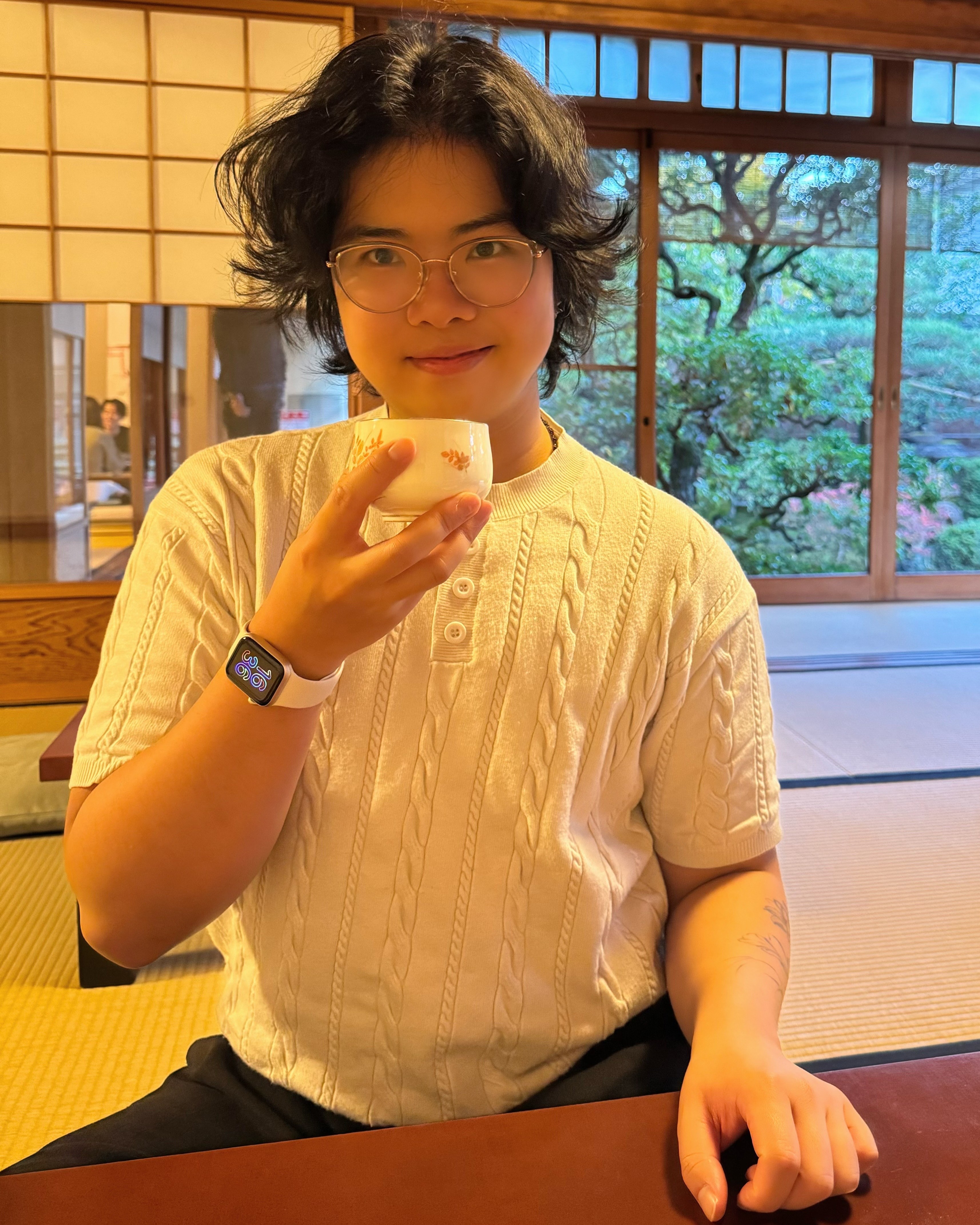
S2 E5:
"The Freedom to be Seen"
In this conversation, psychotherapist Yijia Shao (he/they) shares his journey of immigration from China to Canada, exploring the complexities of identity, belonging, and the impact of intergenerational trauma. Yijia reflects on the evolving nature of his identity, the challenges of navigating a new culture, and the emotional weight of nostalgia and grief associated with leaving his homeland. The discussion delves into the nuances of love, acceptance, and the lessons learned from his experiences as a queer artist and healer. Yijia and Forouz discuss how love and support can manifest in chosen families, the impact of cultural stigma on mental health, and the importance of compassion and understanding in relationships. They also share personal stories that highlight the struggles and triumphs of navigating these complex themes, ultimately emphasizing the need for connection and empathy in a world that often feels isolating.
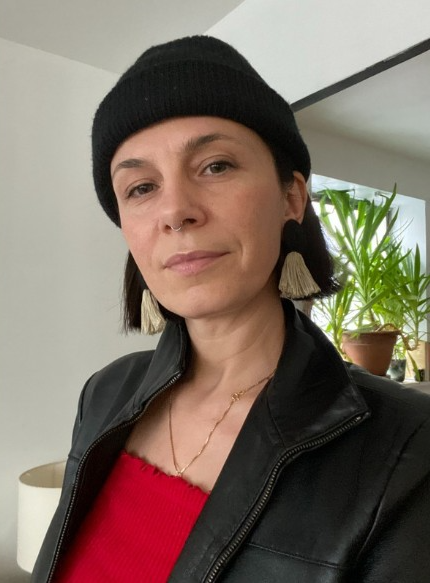
S2 E6:
"Where Do We Put Down Roots?"
In this conversation, somatic psychotherapist Agnieszka (Aga) Forfa (she/her) shares her personal journey of immigration from Poland to Canada at a young age. She reflects on the complexities of cultural identity, the impact of her family's migration experience, and her efforts to reconnect with her Slavic heritage. The discussion delves into the challenges of fitting into a new culture, the role of community in easing that transition, and the ongoing grappling with identity as a white settler in Canada. Aga and Forouz explore the nuances of navigating queer identities within immigrant families, the significance of storytelling, and how immigration shapes life choices and relationships.Their dialogue emphasizes the importance of representation and the need for acknowledgment of the immigrant experience, particularly for children and teens.
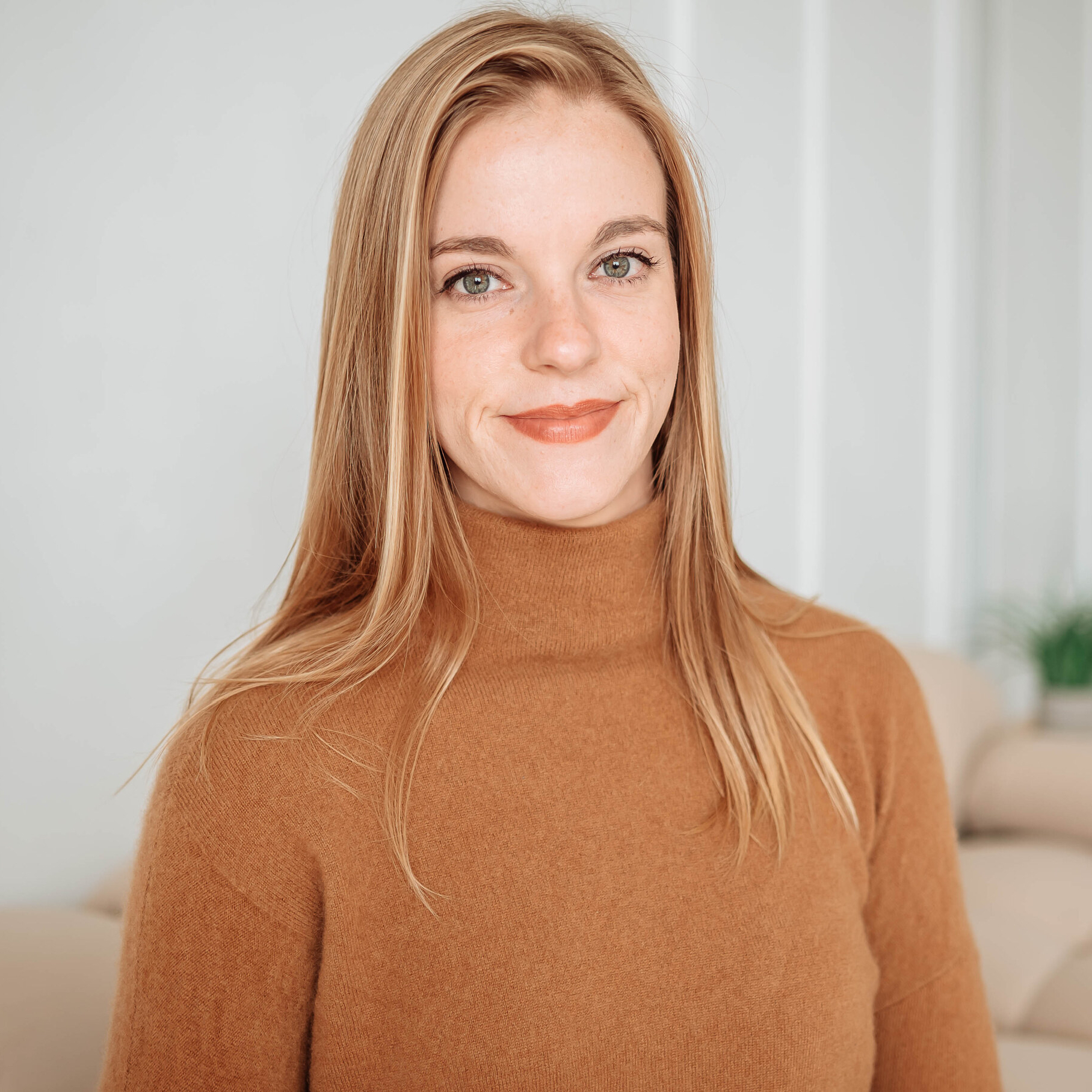
S2 E7:
"Learning to Understand What We Can’t Fully Know"
In this conversation, social worker and clinic director Haley Moore (she/her), shares her personal connection to immigration through her spouse who immigrated from Iran, and the challenges of navigating political awareness in relationships, especially during times of significant geopolitical conflict. Forouz and Haley discuss the growing polarization within the Iranian diaspora and the complexities of identity and privilege in the context of therapy. They explore the nuances of Canadian politeness versus kindness, the importance of confronting discomfort in conversations, and the skills necessary for understanding and supporting partners from immigrant backgrounds. Their dialogue emphasizes the need for curiosity, humility, and open communication in fostering deeper connections and understanding.
Season 1 Episodes
S1 E1:
"What Does It Mean to Grow Between Worlds? The Identities We Inherit & Choose"
In this opening episode, Forouz Salari (she/her) and Miranda Ramnarayan (she/her) reflect on identity, belonging, and their experiences as first- and second-generation immigrants.
Through personal stories, they explore cultural negotiation, inherited expectations, and the influences that have shaped their lives.
They also share why they created Grown Between Worlds: to hold space for thoughtful, honest conversations that honour the complexity of immigrant experiences and amplify voices too often left out of the wider narrative.
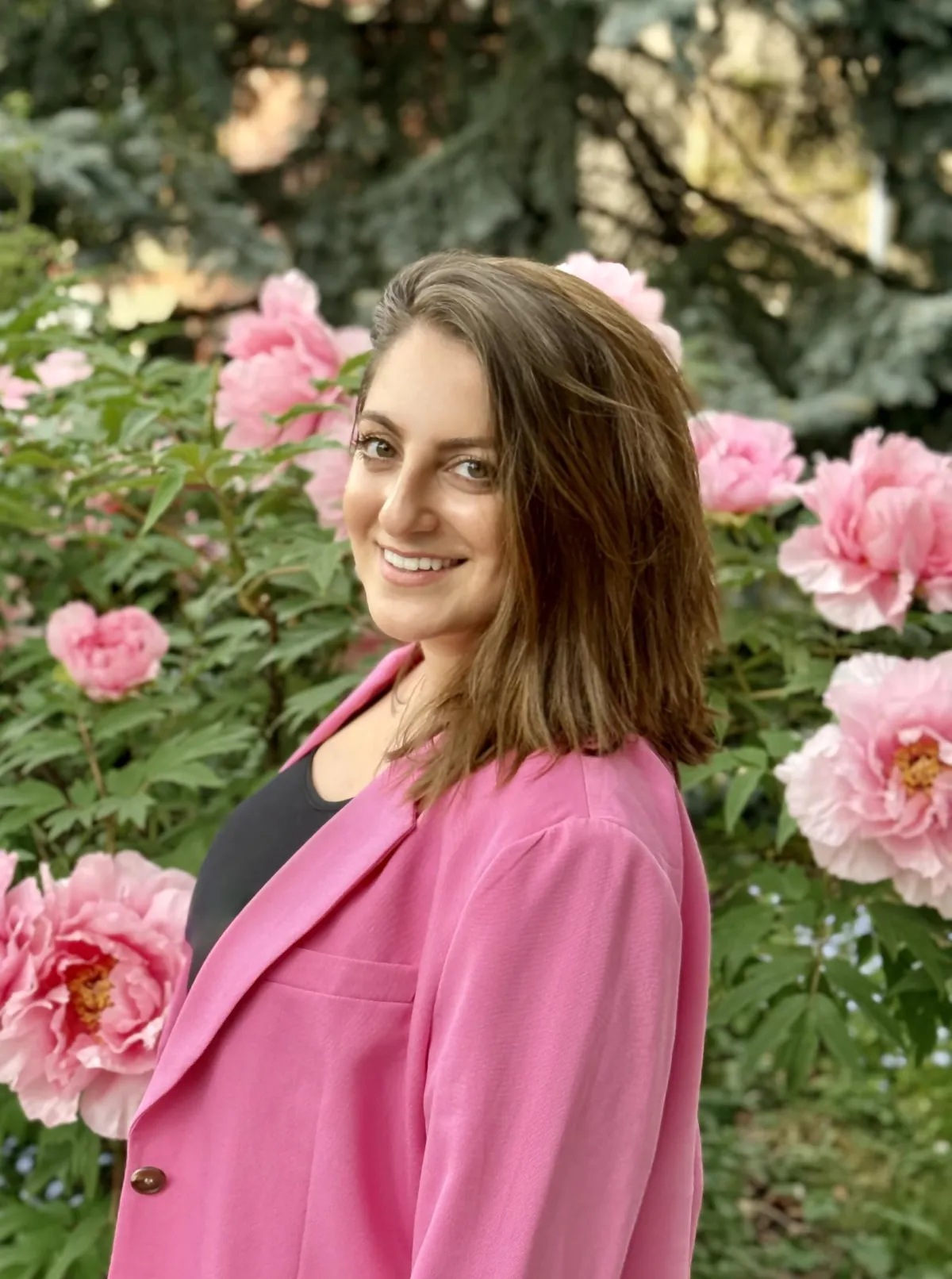
S1 E2:
"Who Gets to Belong? Cultural Negotiations in the Diaspora"
Nikoo (Nikki) Sedaghat (she/her) reflects on growing up as the child of first-generation Iranian immigrants and the layered experience of identity, belonging and cultural heritage.
She shares what it means to move between cultures, navigate Islamophobia and carry the protective habits shaped by expectation, pressure and the need to fit in.
The conversation also touches on body image, beauty standards, connection to land, and changing ideas of success within immigrant communities.
It’s a thoughtful episode about cultural humility, emotional intelligence, and learning how to connect more honestly.
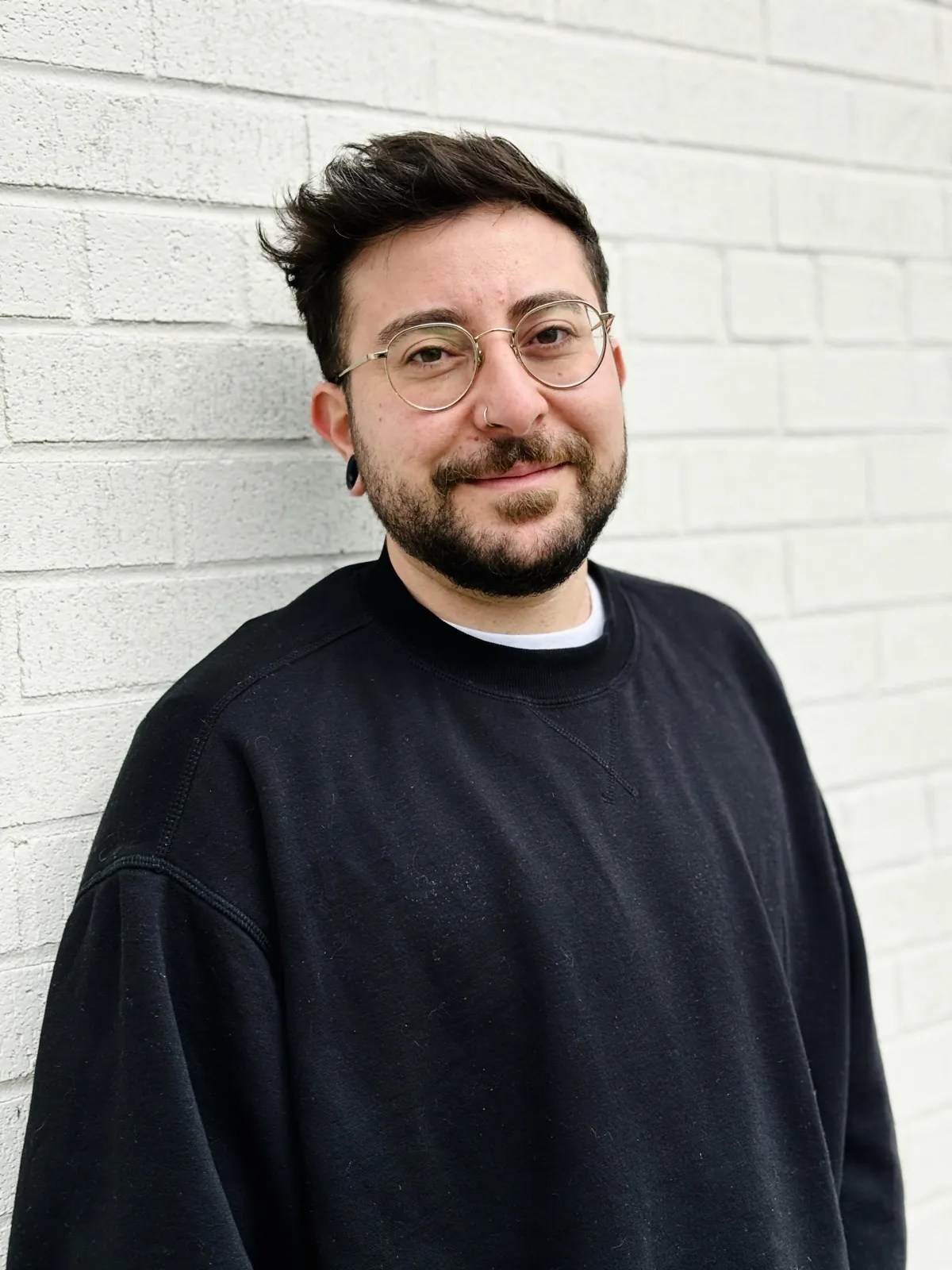
S1 E3:
"Embracing Queer Arab Identity post 9-11"
Rayan Anton (he/him), a queer and trans Palestinian, reflects on growing up as the child of immigrants while navigating identity, belonging, and life in a new country.
He speaks about queerness, cultural inheritance, grief, and the weight of returning to a homeland shaped by distance and loss.
This episode is a powerful conversation about self-definition, fluid identity, and making space for all the parts of who you are.
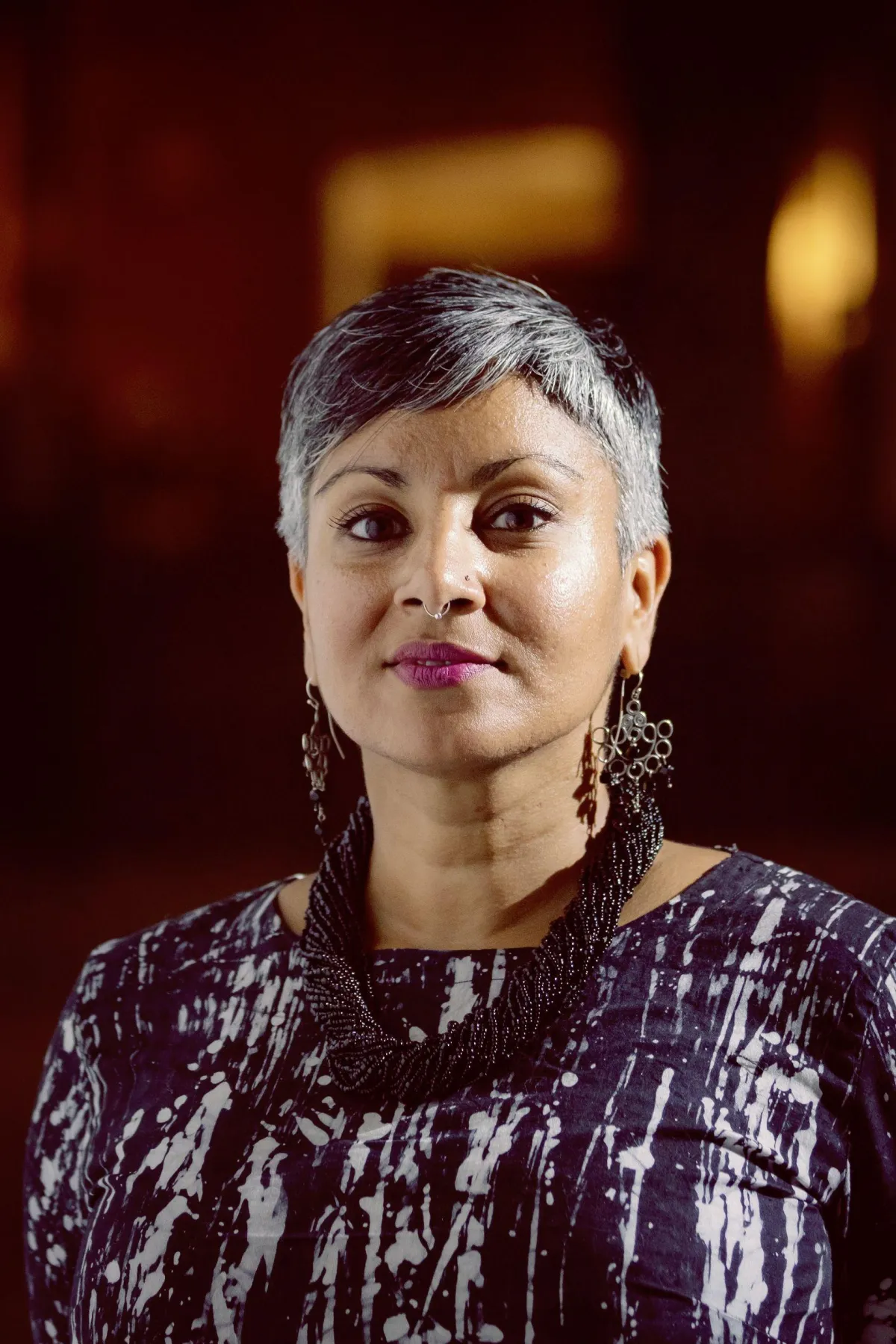
S1 E4:
"Too Much, Too Loud, Too Brown: Xenophobia in the New World”
Tracey Jastinder Mann (she/they) reflects on a multi-generational experience of migration and the emotional, political and cultural forces that shape identity and belonging.
They speak to the pressure to assimilate, the weight of navigating multiple identities, and the lasting impacts of colonialism, capitalism and racism on migrant lives.
This episode is a powerful reminder that migration is not just personal. It is structural, collective, and deeply tied to healing, resistance and liberation.
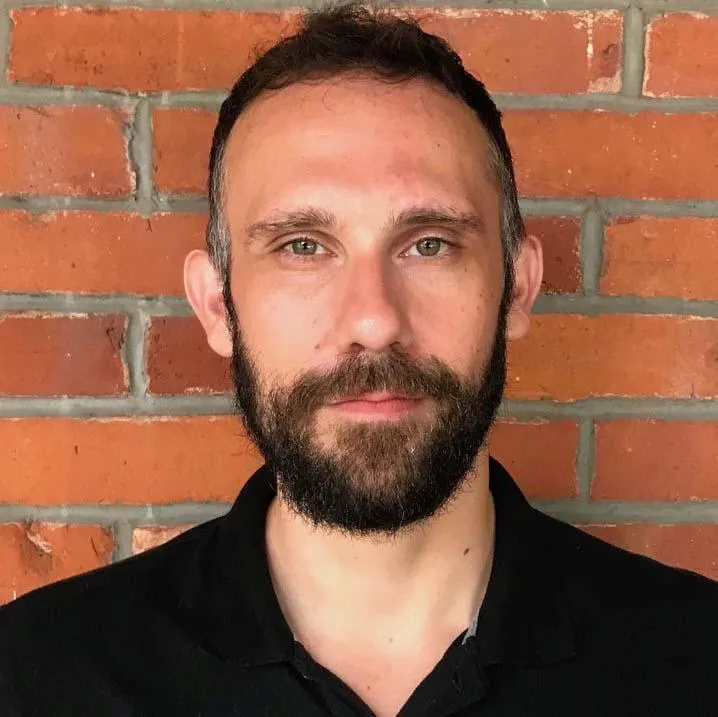
S1 E5:
"Rewriting Masculinity & Performing Whiteness in the Diaspora"
Gio Iacono (he/him) reflects on growing up as the child of immigrants and the layered experience of cultural identity, belonging and self-definition.
He speaks about privilege, intergenerational influence, reconnecting with ancestral roots, and the courage it takes to move through different cultural worlds.
This episode is a thoughtful conversation about identity, loneliness, and what it means to honour where you come from while continuing to define yourself.
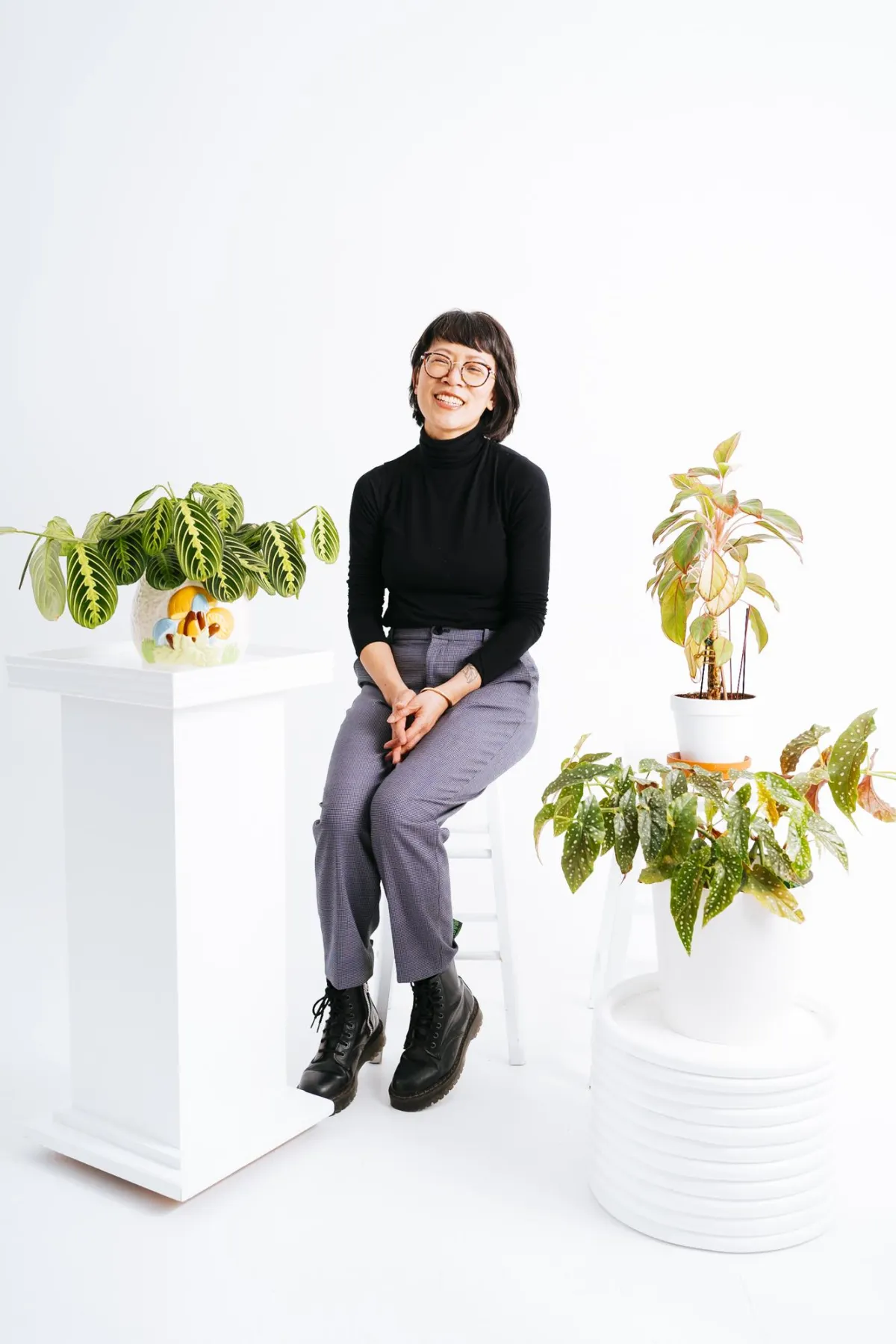
S1 E6:
"Between Grief & Gratitude: Intersections of Identity & Belonging"
Xuan-Yen (XY) Cao (she/they) reflects on their journey as a person of Vietnamese descent and the layered experience of identity, belonging and intersectionality.
They speak about the role of community, the impact of larger systems on personal life, and the importance of advocating for yourself while making sense of who you are.
This episode is a thoughtful conversation about fluid identity, empathy, self-compassion, and the beauty and complexity of growing between worlds.
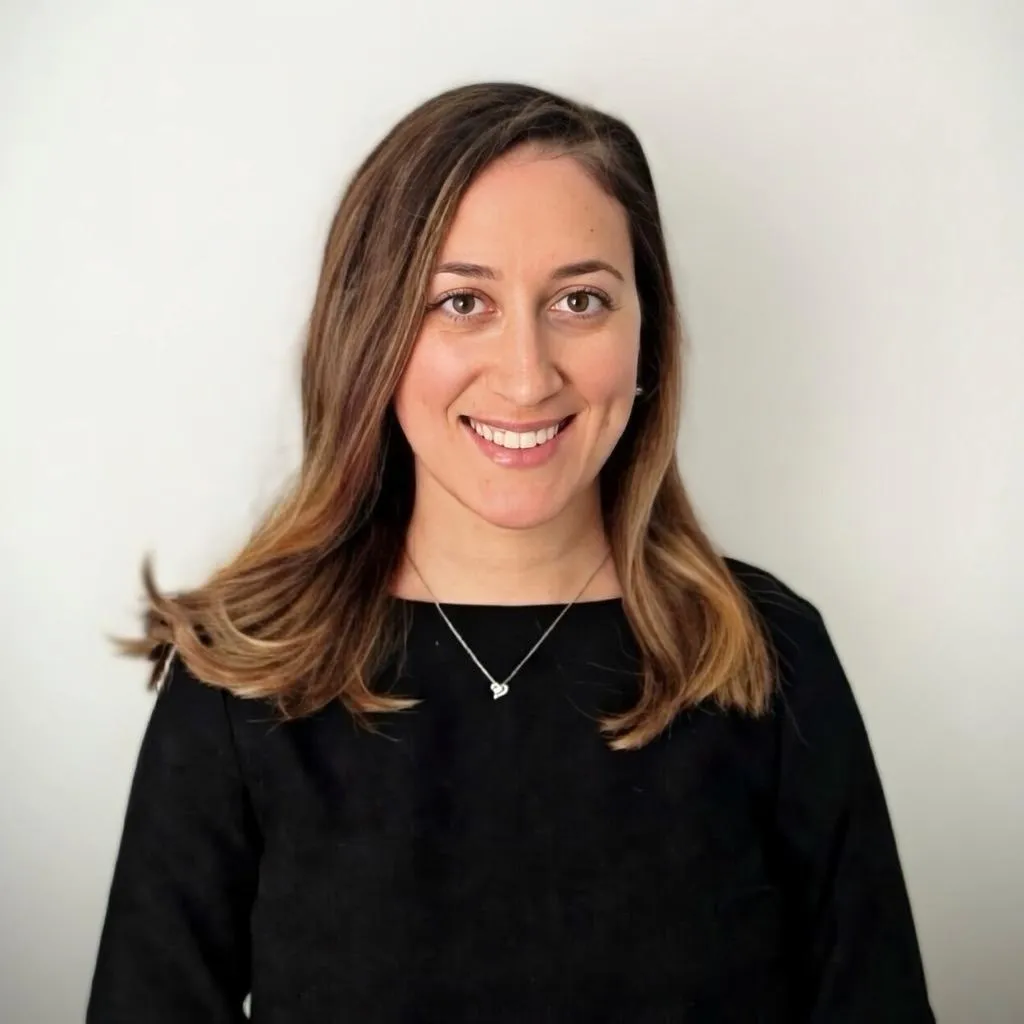
S1 E7:
"Unapologetically Becoming: Cultural Reclamation after Immigration"
Sandra Borkovic (she/her) reflects on her experience as a first-generation Bosnian Serb immigrant, sharing how family, language, and ancestral roots shaped her sense of identity and belonging.
She speaks about settling into a multicultural environment, parenting across cultures, and the uncertainty that can come with building a life between worlds.
This episode is a thoughtful conversation about staying curious, practicing self-compassion, and navigating identity with care.
S1 E8:
"Our Reflections on Season 1 + What We’re Taking into Season 2"
In this season finale, Forouz Salari (she/her) and Miranda Ramnarayan (she/her) reflect on the shared emotional experiences of migration, identity, code-switching, not feeling “enough”, and resiliency.
They share some anonymous feedback from their audience, and some of their own personal stories, emphasizing community, vulnerability and continued growth.
It’s a thoughtful conversation about what Season 1 has revealed, what many adult children of immigrants and their families carry, and the kind of honesty and connection they hope to bring into Season 2.
They also leave the audience with a few questions to reflect on, before Season 2's launch in October 2026.
JOIN our Newsletter
to stay informed on upcoming episodes, emerging seasons, and free resources:
Land Acknowledgement
Grown Between Worlds is recorded and produced across lands now known as Toronto, Ontario (Canada) and Queensland (Australia).
In Toronto, we acknowledge that Tkaronto is situated on the traditional territories of the Anishinaabe, the Chippewa, the Wendat, the Haudenosaunee, and the Mississaugas of the Credit River, and is covered by Treaty 13 and the Dish With One Spoon Wampum Treaty. This land is now home to many First Nations, Inuit, and Métis peoples, as well as settlers and newcomers.
In Queensland, we acknowledge the Aboriginal and Torres Strait Islander peoples as the Traditional Custodians of the lands on which this work is created, and we pay respect to Elders past and present.
As a podcast exploring migration, belonging and identity, we recognize that our conversations take place within ongoing histories of colonization and displacement. We are committed to continued learning, reflection, and support of Indigenous-led communities and initiatives in the places we live and work.